
FAQ
Frequently Asked Questions: Pest Control in Orlando, Florida
Frequently Asked Questions About Pest Control in Orlando
When it comes to protecting your home from pests in Central Florida, you likely have a lot of questions. At Pest Control Xperts, we believe that an informed homeowner is our best partner in keeping properties safe and comfortable. Whether you are dealing with a sudden ant invasion in your kitchen, hearing scratching noises in your attic, or simply want to prevent future issues, we are here to provide clear, honest answers.
Our team serves the entire Orlando metro area, including Winter Park, Oviedo, Altamonte Springs, and beyond. We understand the unique challenges of our humid, subtropical climate and how it drives pest activity year round. Below, we have compiled a comprehensive list of the most common questions we receive regarding our services, safety protocols, and treatment methods. If you do not see your specific concern addressed here, please reach out to us for assistance. We are always ready to help you solve your pest problems.
Eliminate Pests ASAP—Call Now!
General Service and Safety Questions
Do you provide service to my specific neighborhood in Orlando?
We proudly serve a wide range of communities across Central Florida. Our primary service area includes Orlando, Winter Park, Oviedo, Winter Springs, Altamonte Springs, Casselberry, Longwood, Maitland, and Lake Mary. We also service specific neighborhoods such as Baldwin Park, College Park, Lake Nona, and Conway. If you live in Orange or Seminole County, there is a very good chance we are already working on a street near you. We are your local neighbors, and we understand the specific pest pressures that affect our different local environments.
Are your treatments safe for my children and pets?
Safety is our top priority. We utilize integrated pest management (IPM) principles, which means we focus on targeted applications rather than indiscriminate spraying. When we do apply products, we do so in a manner that minimizes exposure to your family and pets. We often use gels, baits, and dusts placed in cracks and crevices where pests hide but where tiny hands and paws cannot reach. We will always provide you with specific instructions regarding drying times and re-entry to ensure everyone stays safe.
Do I need to leave my home during the treatment?
For most general pest control services, such as ant or roach treatments, you do not need to leave your home. We can treat the exterior and targeted interior areas while you are present. However, for more intensive services like flea treatments or extensive bed bug eradications, we may ask you to vacate the property for a few hours to allow products to dry completely and settle. We will always communicate this with you well in advance so you can plan your day.
How often should I have my home serviced for pests?
In Orlando, pests are active year round due to our warm weather. For general maintenance and prevention, we typically recommend a regular service schedule that keeps the protective barrier around your home intact. However, the frequency can depend on the severity of your current issue and the type of pest we are fighting. For active infestations like German cockroaches or fleas, we may need to return more frequently in the beginning to break the reproductive cycle.
What is Integrated Pest Management (IPM)?
Integrated Pest Management is an ecosystem-based strategy that focuses on long-term prevention of pests or their damage through a combination of techniques such as biological control, habitat manipulation, modification of cultural practices, and use of resistant varieties. For you, this means we do not just rely on chemicals. We look for the root cause—like a moisture leak attracting ants or a tree branch allowing rats onto your roof—and help you address those issues to stop pests from coming back.
Do you offer services for commercial properties and businesses?
Yes, we provide comprehensive commercial pest services for offices, retail spaces, warehouses, and restaurants. We understand that businesses have different needs regarding scheduling and documentation. We offer discreet services to protect your brand reputation and can work with property managers to handle multi-unit housing or apartment complexes. Our goal is to keep your business running smoothly without the disruption of unwanted pests.
How does the Florida weather affect my pest control treatment?
Our products are designed to withstand the typical Florida weather patterns, including our afternoon thunderstorms. Many of the micro-encapsulated products we use are water-resistant once they have dried. In fact, rain can sometimes be beneficial as it helps granular products settle into the soil where insects like ants and crickets nest. If you have concerns about a treatment following a heavy storm, please reach out to us for assistance.
Ant Control and Extermination FAQs
Why do I have tiny ants in my kitchen and bathroom?
The tiny ants you see are likely Ghost Ants or Pharaoh Ants, which are extremely common in Orlando. They are attracted to moisture and sweet food sources. These species are unique because they establish multiple colonies within wall voids or behind cabinets. They often enter through the tiniest cracks in stucco or around window seals. Treating them requires a specialized approach because stressing the colony with standard sprays can cause them to split and multiply.
What is the difference between a fire ant and a regular ant?
Fire ants are aggressive stinging insects that build visible dirt mounds in yards. When their mound is disturbed, they swarm out and attack simultaneously, delivering painful stings that can cause allergic reactions. “Regular” ants, like house ants, may bite but are generally more of a nuisance than a health threat. We treat fire ants with granular baits that the workers carry deep into the mound to eliminate the queen.
How do you get rid of Carpenter Ants?
Carpenter ant removal involves locating the parent nest, which is often outdoors in a tree stump, rotted fence, or landscape timber. These ants excavate wood to build nests but do not eat it. We treat the parent nest and the satellite nests inside your home structure. We also help you identify moisture issues, such as roof leaks or plumbing drips, that are making your wood soft and attractive to them.
Why shouldn’t I just spray the ants I see with a store-bought spray?
Using repellent sprays on foraging ants often kills only the few you see, while the rest of the colony remains safe in the nest. Worse, with species like Pharaoh ants, spraying can trigger a defense mechanism called “budding,” where the colony splits into several smaller colonies to ensure survival. This spreads the infestation to other rooms. Our non-reppellent baits allow the ants to carry the treatment back to the nest, eliminating the entire population.
How long does it take for ant bait to work?
Ant baiting is a process that requires patience but yields superior results. You may see an increase in activity initially as ants flock to the bait. It typically takes a few days to a week for the active ingredient to spread through the colony and reach the queen. This “delayed action” is intentional and necessary for total colony collapse.
Can you keep ants out of my lanai or pool cage?
While it is difficult to completely seal an outdoor screen enclosure, we can significantly reduce activity. We treat the foundation and perimeter of the lanai to create a barrier. We also recommend keeping vegetation trimmed back from the screens and removing food sources that attract them.
Bed Bug Treatment and Eradication FAQs
How do I know if I have bed bugs?
The most common signs include waking up with itchy red bites in rows or clusters, finding small dark blood spots on your sheets, or seeing rusty stains on your mattress. You might also find shed skins or tiny white eggs in the seams of your mattress or box spring. A sweet, musty odor in the room is also a potential indicator of a heavy infestation.
Do I need to throw away my mattress if I have bed bugs?
In most cases, you do not need to discard your furniture. We can treat mattresses and box springs effectively. We often recommend installing high-quality, bed bug-proof encasements after treatment. This traps any remaining bugs inside where they will eventually die and prevents new bugs from infesting the mattress interior.
How do bed bugs get into my home?
Bed bugs are excellent hitchhikers. They enter homes on luggage after travel, in used furniture or clothing, or by migrating from adjacent units in apartments and condos. Orlando’s high tourism volume makes our area particularly susceptible. They do not discriminate based on cleanliness; they are only looking for a blood meal.
How do I prepare for a bed bug treatment?
Preparation is critical for success. We will provide a detailed checklist, which usually involves decluttering the room, stripping the bed, washing all bedding and clothing in hot water, and drying on high heat. You may need to empty nightstands and move furniture away from the walls. Following these steps allows us to treat all the cracks and crevices where bugs hide.
Can bed bugs live in other rooms besides the bedroom?
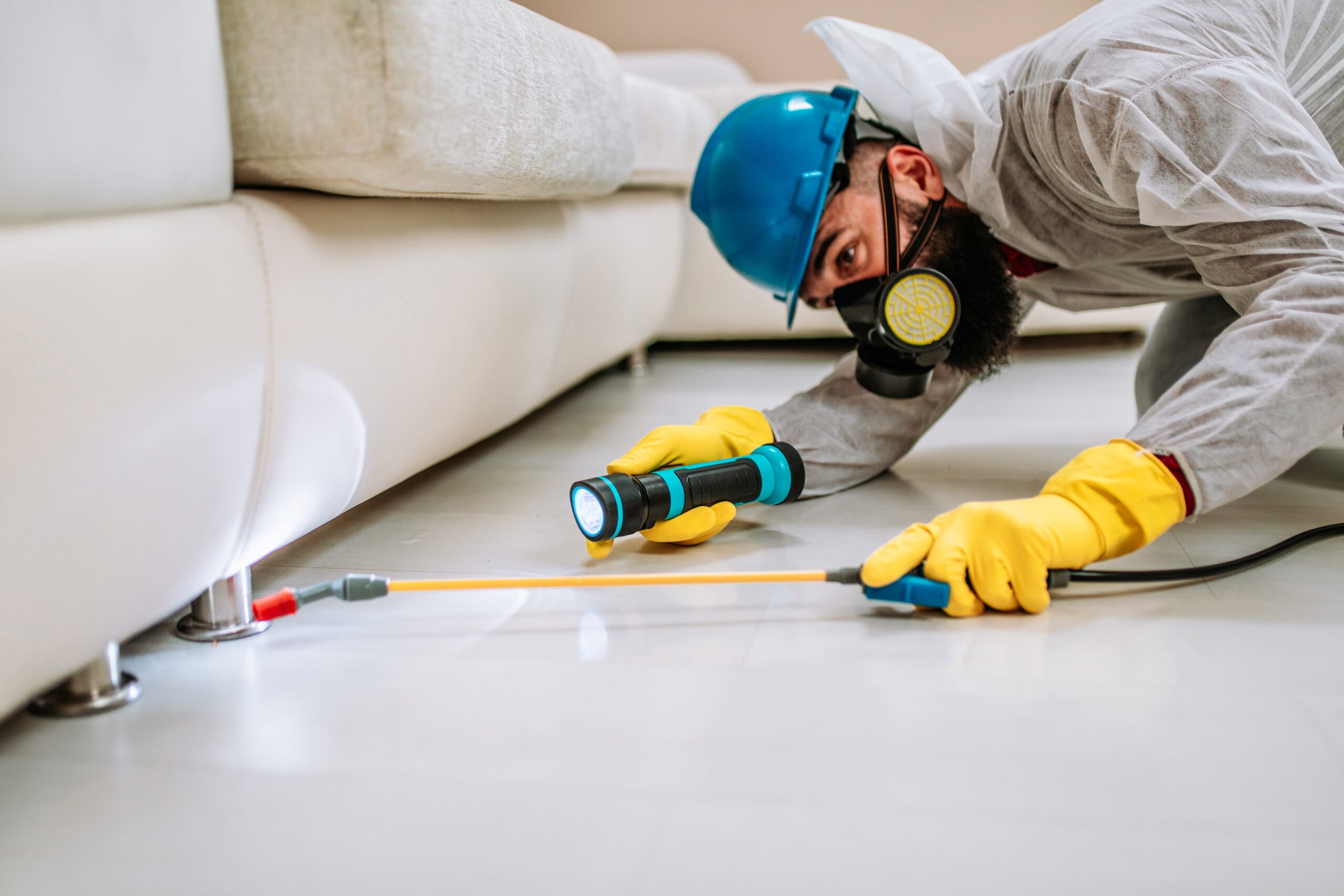
Yes, bed bugs can spread to any room where people rest for extended periods. We often find them in living room sofas, recliners, and even office chairs. In severe infestations, they can hide behind baseboards, in electrical outlets, and under loose wallpaper. Our inspection covers all potential harborage areas.
What treatments do you use for bed bugs?
We use a combination of chemical and non-chemical treatments tailored to your specific situation. This may include residual products applied to cracks and crevices, dusts for wall voids, and contact treatments for live bugs. We focus on breaking the life cycle by targeting eggs and nymphs as well as adults.
Cockroach Extermination FAQs
What is the difference between a German Roach and a Palmetto Bug?
German cockroaches are small, light brown, and reproduce rapidly indoors, usually in kitchens and bathrooms. They are a sign of sanitary issues or recent introduction and require intensive treatment. Palmetto Bugs (American Cockroaches) are large, reddish-brown, and primarily live outdoors in mulch and trees. They enter homes occasionally for water or to escape extreme weather but do not typically cause the same level of interior infestation as German roaches.
Why are roaches so hard to get rid of?
Roaches are incredibly resilient and have developed resistance to many common pesticides. They can hide in the smallest gaps, survive for weeks without food, and reproduce quickly. German roach egg cases contain dozens of babies and are protected from many sprays. Professional treatment uses specialized baits and growth regulators that overcome these defenses.
Do roach bombs or foggers work?
We generally advise against using foggers. They release a mist that settles on surfaces but does not penetrate the deep cracks and crevices where roaches nest. Often, the chemical irritates the roaches, causing them to scatter deeper into the walls or into other rooms, making the problem harder to solve. Targeted baiting is a much more effective and safer strategy.
How can I prevent roaches in my kitchen?
Sanitation is your best defense. Clean up crumbs and spills immediately, do not leave dirty dishes in the sink overnight, and take out the trash regularly. Store food in airtight containers. Also, reduce moisture by fixing leaky faucets and keeping under-sink areas dry. For Palmetto bugs, ensure your weather stripping on doors is tight and seal gaps around plumbing pipes.
Are cockroaches dangerous to my health?
Yes, cockroaches can carry bacteria like Salmonella and E. coli on their bodies, contaminating food and cooking surfaces. Additionally, their droppings and shedding skins contain allergens that can trigger asthma attacks and allergic reactions, particularly in children and the elderly.
Flea and Tick Control FAQs
Why do I have fleas if I don’t have pets?
Fleas can be brought into your yard by urban wildlife such as raccoons, opossums, squirrels, or feral cats. If these animals pass through your property or nest in your crawlspace, they drop flea eggs. You can then pick up the fleas on your shoes or clothing and bring them inside. We treat the source of the problem by addressing both the interior and exterior environments.
How long does it take to stop the flea cycle?
Flea control is a process. Our treatment kills adult fleas and prevents eggs from developing, but there is a “pupal window” where fleas inside protective cocoons are resistant to treatment. These pupae can hatch for 2 to 4 weeks after service. Regular vacuuming helps stimulate them to hatch so they contact the treatment and die. Consistency is key.
Do you treat the yard for ticks?
Yes, tick control often starts outdoors. We treat the harborage areas where ticks wait for hosts, such as tall grasses, shrubbery, and the transition zones between your lawn and wooded areas. We target the specific habitats of the Brown Dog Tick, American Dog Tick, and Deer Tick to reduce the population around your home.
What is the best way to prepare for a flea treatment?
You should clear all floors of toys, shoes, and items. Vacuum all carpets, rugs, and furniture thoroughly and dispose of the bag outside immediately. Wash all pet bedding in hot water. If you have pets, they must be treated with a veterinary-approved product on the same day we treat your home to prevent re-infestation.
Are ticks in Orlando dangerous?
Ticks in Central Florida can carry diseases such as Lyme disease, Rocky Mountain spotted fever, and Ehrlichiosis. While not every tick carries disease, the risk is real. Prompt removal and professional control in your yard are important steps in protecting your family from these illnesses.

Rodent and Wildlife Removal FAQs
How do I know if I have rats or mice?
Roof Rats are the most common in Orlando and are large, agile climbers often heard in attics. Mice are much smaller and tend to nest near food sources in kitchens or closets. Signs include droppings (large for rats, rice-sized for mice), gnaw marks on food containers or wires, grease marks along walls, and scratching sounds at night.
Why are rodents in my attic?
Your attic provides a safe, warm, and dry shelter away from predators. Rodents enter through gaps in soffits, vents, or roof returns. Once inside, they damage insulation and wiring. We focus on exclusion techniques to seal these entry points so they cannot get back in once we remove them.
Do you use poison to kill rats inside the house?
We typically prioritize trapping over poisoning for interior rodent issues. Using poison indoors can lead to rodents dying inside wall voids or inaccessible areas, causing severe odor problems and attracting flies. Trapping allows us to confirm the capture and remove the carcass from your property.
How do rodents get into my house?
Mice can squeeze through a hole the size of a dime, and rats can fit through a hole the size of a quarter. They often enter through gaps around utility pipes, worn door sweeps, unscreened vents, or holes in the eaves. Our inspection identifies these vulnerabilities so we can seal them with durable materials.
Is rodent damage dangerous?
Yes, rodents constantly gnaw to keep their teeth sharp. They often chew on electrical wiring, which is a leading cause of structure fires. They also damage PVC plumbing lines, causing leaks, and contaminate insulation with urine and feces, which creates a health hazard.
What is rodent exclusion?
Rodent exclusion is the process of structurally repairing and sealing your home to prevent pests from entering. This involves using steel wool, hardware cloth, concrete, and metal flashing to close holes. It is the only long-term solution for rodent control.
Spider Removal FAQs
Are the spiders in my Orlando home venomous?
Most spiders found in homes, like the Daddy Longlegs or House Spider, are harmless. However, Orlando is home to venomous species like the Southern Black Widow and Brown Widow, which like to hide in cluttered garages, woodpiles, and eaves. While bites are rare, they can be serious. We can help identify and remove these risky spiders.
Why do I have so many webs on my pool screen?
Pool screens act as a giant net for flying insects, which creates a perfect buffet for spiders. They build webs in the corners and eaves to catch this prey. Our service includes de-webbing these areas to keep your lanai looking clean and to discourage spiders from returning.
How do I get rid of Wolf Spiders?
Wolf Spiders are large hunting spiders that do not build webs. They roam the ground looking for insects and often enter homes under doors. The best way to control them is to seal entry points and reduce the population of other insects around your home that serve as their food source.
Do you kill the spiders or just move them?
Our primary goal is to protect your home. We physically remove webs and egg sacs, which eliminates future generations. For venomous or nuisance spiders inside the home or garage, we use targeted treatments to eliminate them. For beneficial spiders out in the garden away from the house, we leave them to help control other bug populations.
Termite Protection FAQs
What are the signs of a termite infestation?
Look for mud tubes running up your foundation, bubbling or peeling paint, wood that sounds hollow when tapped, and piles of pellets that look like coffee grounds (frass). In the spring, you might see swarms of winged insects inside your home or discarded wings on window sills.
What is the difference between Subterranean and Drywood termites?
Subterranean termites live in the soil and require moisture; they build mud tubes to reach the wood in your home and cause massive structural damage from the ground up. Drywood termites live entirely inside the wood (like attic beams or furniture) and do not need soil contact; they are often identified by the fecal pellets they kick out of their tunnels.
How does your termite treatment work?
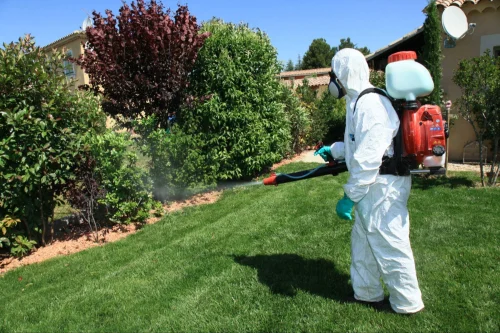
We use a combination of liquid defense zones and baiting systems for Subterranean termites. Liquid treatments create a barrier in the soil that eliminates termites as they pass through. Baiting systems use the termites’ natural foraging behavior to carry a slow-acting active ingredient back to the colony, eliminating it entirely. For Drywood termites, we use targeted spot treatments or wood injections.
How often should I have a termite inspection?
We recommend a professional termite inspection at least once a year. Termite damage happens slowly but steadily, and early detection can save you thousands of dollars in repairs. If you notice any suspicious signs between inspections, reach out to us immediately.
Is termite damage covered by my homeowners insurance?
Typically, homeowners insurance does not cover termite damage, as it is considered a preventable maintenance issue. This makes professional prevention and a service agreement crucial for protecting your financial investment in your home.
Do you treat block homes for termites?
Yes, absolutely. Even block homes have wood framing, trusses, baseboards, and cabinets that termites can eat. Termites can travel through tiny cracks in the slab or expansion joints to reach this wood. No home in Florida is completely immune to termite risk without protection.
What is a WDO inspection?
A Wood Destroying Organism (WDO) inspection is a specialized report often required when buying or selling a home. It checks for termites, wood-boring beetles, and wood-decaying fungi. Our technicians are trained to identify these issues and provide the necessary documentation for real estate transactions.
Contact Pest Control Xperts
Do not let pests take over your home or business. Whether you are battling a current infestation or looking to prevent future problems, Pest Control Xperts has the local knowledge and professional tools to help. We are ready to listen to your concerns and provide a tailored plan that works for you.
Contact us today to schedule your inspection or service.
Zip codes we serve: 32801, 32803, 32804, 32806, 32812, 32828, 32789, 32765, 32701, 32707, 32750, 32714.